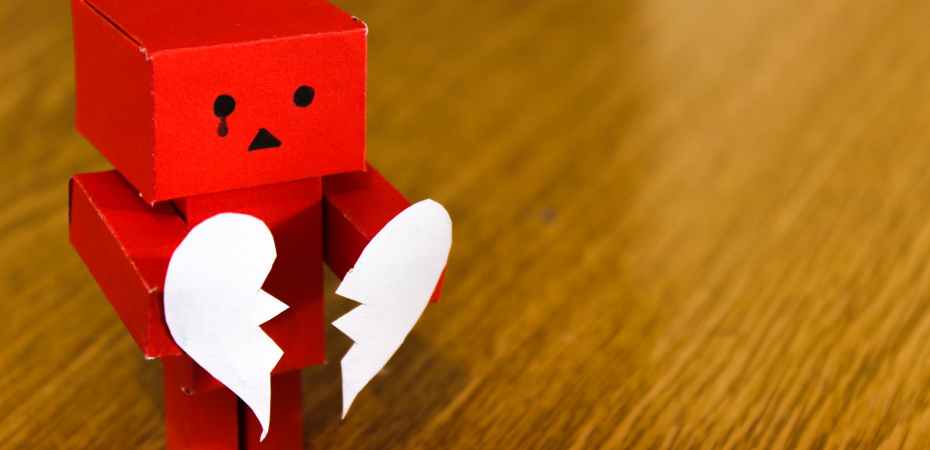
Break-ups are often difficult.
Whether you’re the one doing the breaking up, or the one being broken up with, it’s rarely a pleasant experience.
However, when you have Borderline Personality Disorder, break-ups can bring with them extra hurdles.
* Update (June 2025): When I wrote this post, I had a diagnosis of Borderline Personality Disorder. In 2022, this diagnosis was overturned when I was diagnosed with Autism Spectrum Disorder (ASD) and in 2025, I was also diagnosed with ADHD. Whether the diagnosis of BPD was ever correct, I don’t know for sure. I may have had BPD at some point, or it could always have been a misdiagnosis. Some of the symptoms of BPD overlap with difficulties related to autism and/or ADHD. In short, I do not currently meet the criteria for BPD. However, I am leaving these posts up, as I have received feedback that they have helped others who have BPD, suspect they may have BPD, or experience symptoms similar to those associated with BPD.
Most of us have experienced a break-up at some point in our lives.
It’s a time of potential conflict, uncertainty, and change. If you live together, one of you will undoubtedly need to find a new place. If you share the same friends, you may lose some of them. If there are children or pets involved, it gets even more complicated.
These are the things we expect when dealing with break-ups, but when you throw Borderline Personality Disorder (also known as Emotionally Unstable Personality Disorder) into the mix, a break-up can be the catalyst of a much darker spiral.
One of the most prevalent symptoms of BPD is the fear of – and frantic efforts to avoid – real or perceived abandonment. Experiencing a break-up can be perceived as a huge form of abandonment, triggering pervasive and destructive spiralling thoughts.
Am I a bad person? Am I unlovable? Will I be alone for the rest of my life?
Further to this, we can be prone to risky, impulsive, and self-destructive behaviours when we feel emotional pain, which of course can occur during a split. Linked to this, self-harm and suicide attempts are also criteria of a BPD diagnosis.
So what can we do to cope with a break-up when we have BPD?

Maintain or reinitiate contact with your friends and family
Your friends and family are going to be a crucial support system for you, even if you’ve kind of neglected them during your former relationship. It’s not unusual for those of us with BPD to put all our eggs in one basket and focus all of our time and attention on our partner. As such, we may have drifted away from our friends and family. Now is a good time to reinitiate contact and re-establish your relationship with them. Send them a text, give them a call, invite them over for coffee. Understand that you don’t need a “favourite person” – a wide social circle and support system can be just as, if not more, effective than relying on one individual for all your needs.
Join a new club
This one is particularly good if you are lacking in the friendship department. Joining a new club not only gives you something fun to fill your time, but it also opens you up to meeting new people and expanding your social circle. You can usually find a variety of clubs in your local area if you do a bit of digging, whether it’s a book club, an arts and crafts group, a local sports team, a church choir, or a voluntary organisation – you’re pretty much guaranteed to find something that interests you. Nevertheless, if you can’t find anything that sparks your interest, try attending something anyway, even if you think it sounds rubbish. You may be pleasantly surprised, or you just attend once and don’t go back. It’s worth a try.

Get a hair cut
I can speak from personal experience here when I say that a post-break-up haircut is SUPER therapeutic. It’s almost a physical shedding of baggage and worries, and really it’s just nice to feel a little pampered when you’re feeling low.
Avoid mind-altering substances
Alcohol and recreational drugs may seem tempting as a way to dull your emotional pain, but trust me when I say they do the exact opposite. Using mind-altering substances can lead to loss of control and further impulsive and risky behaviours, such as unprotected sex, self-harm, excessive spending, and so on. They can also be addictive and create a whole new issue to deal with. Of course, you should continue to take any prescribed medication (as instructed by your doctor).
Don’t rush back into dating
This one is probably the most important. The absolute last thing you should do is rush back into dating. I know, it’s tempting to immediately fill that void that your former partner has left, but trust me, it would be a mistake. Take some time to learn to be okay by yourself, to work on yourself, to grow as a person.
What is your experience with break-ups? Do you have any other tips for coping with a split? Let me know in the comments.
If you like my blog and/or find it useful, please consider donating to help me cover the costs of maintaining it. You can shout me a coffee on Ko-fi, or drop a tip in my PayPal. You can also click here to see more of my recommended products and help to support this blog with your purchases.
Oh hey, did you know I wrote a book?
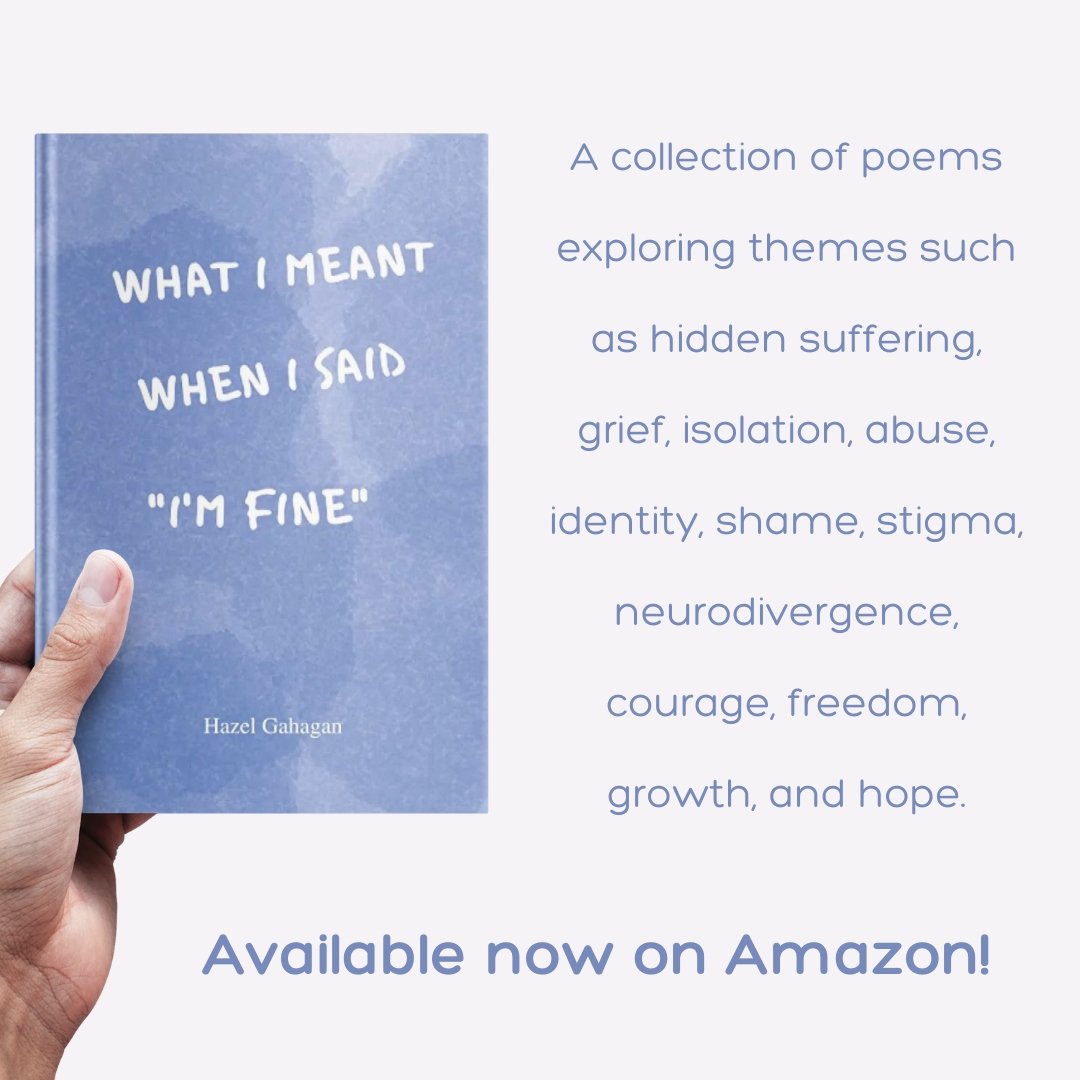
Click here to grab a copy of my book, What I Meant When I Said I’m Fine.

 wallflowerhaze
