
This week (18th – 24th March 2024) is Neurodiversity Celebration Week.
What is Neurodiversity Celebration Week?
Neurodiversity Celebration Week
Neurodiversity Celebration Week is a worldwide initiative that challenges stereotypes and misconceptions about neurological differences. It aims to transform how neurodivergent individuals are perceived and supported by providing schools, universities, and organisations with the opportunity to recognise the many talents and advantages of being neurodivergent, while creating more inclusive and equitable cultures that celebrate differences and empower every individual.
As a member of my workplace’s Disability, Access and Wellbeing Network, I wrote the following article for our organisation’s newsletter. I hope sharing my experience as a late-identified autistic woman is widely informative and useful. But equally importantly, I hope it offers support and validation to my fellow late-identified autistic women.
Please note: This post contains affiliate links. If you click and make a purchase, I may receive a small commission at no extra cost to you. For more information, please see my Disclaimer page.
In 2022, a month shy of my 33rd birthday, I was diagnosed with autism spectrum disorder (ASD).
Having spent my whole life feeling like an alien trying to participate in a play where I was the only one who hadn’t been given the script, this diagnosis evoked in me both a sense of grief and relief.
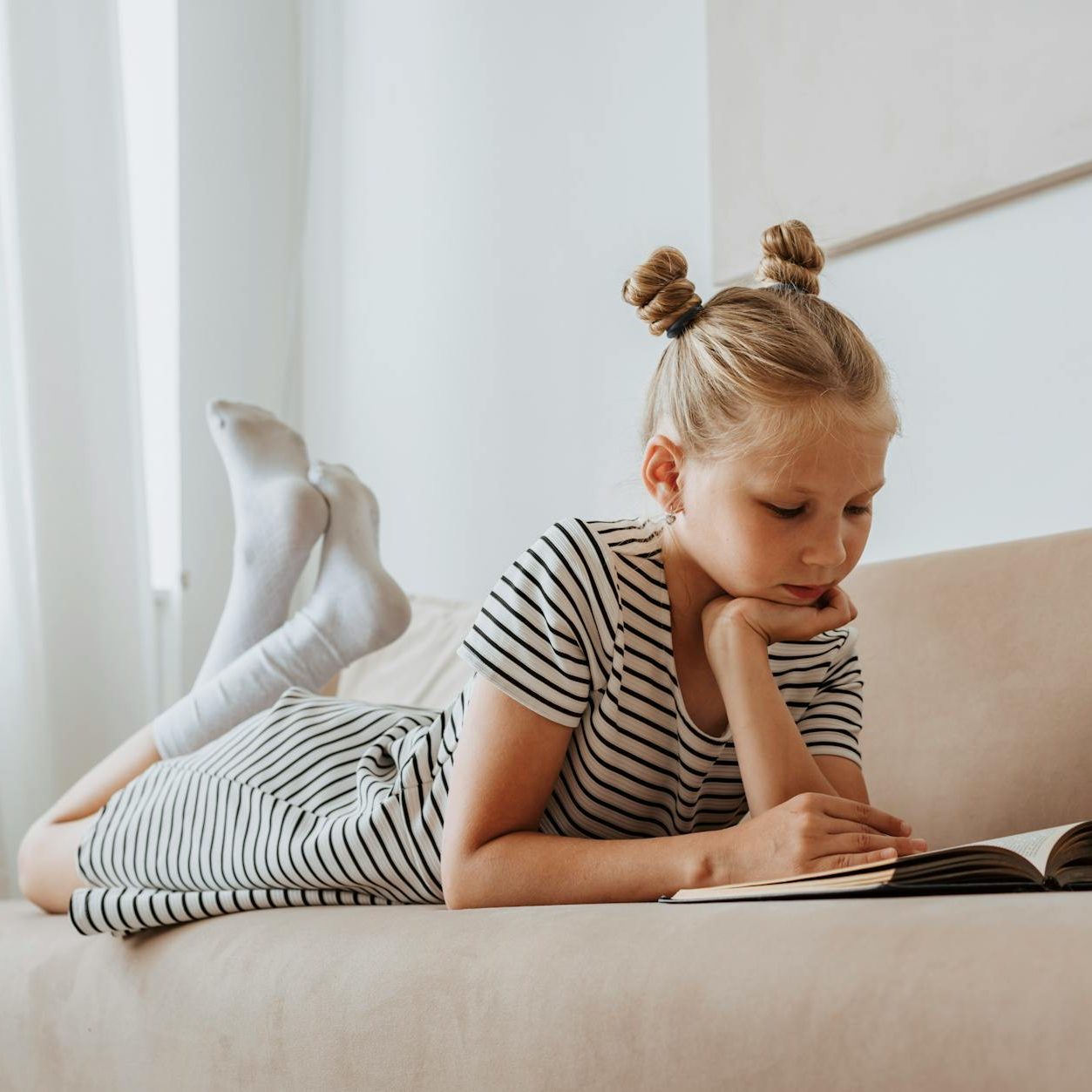
I grieved for Little Me who slipped through the cracks and didn’t get the support she needed. I grieved for Adult Me who struggled so much, which led to years of mental health problems. The unanswerable “what ifs” felt painful.
But even within the grief, the sense of relief was overwhelming. Finally, I understood.
I’m not broken – I’m autistic.
So began a process, not of rebuilding my life, but building a new one; one in which I know who I am, why I am who I am, and how to be who I am in this neurotypical world.
I learnt about masking; something I’d been doing my whole life without realising. Did you know it’s not typical to repeatedly rehearse everyday conversations before they happen, then get totally thrown-off if the other person deviates from your mental script? I didn’t! And of course, the eye-contact situation. Apparently, having to actively force myself to hold eye contact, to the point that I can’t process what the other person is saying, is not a typical experience either. What it *is*, is a typical experience for autistic people.
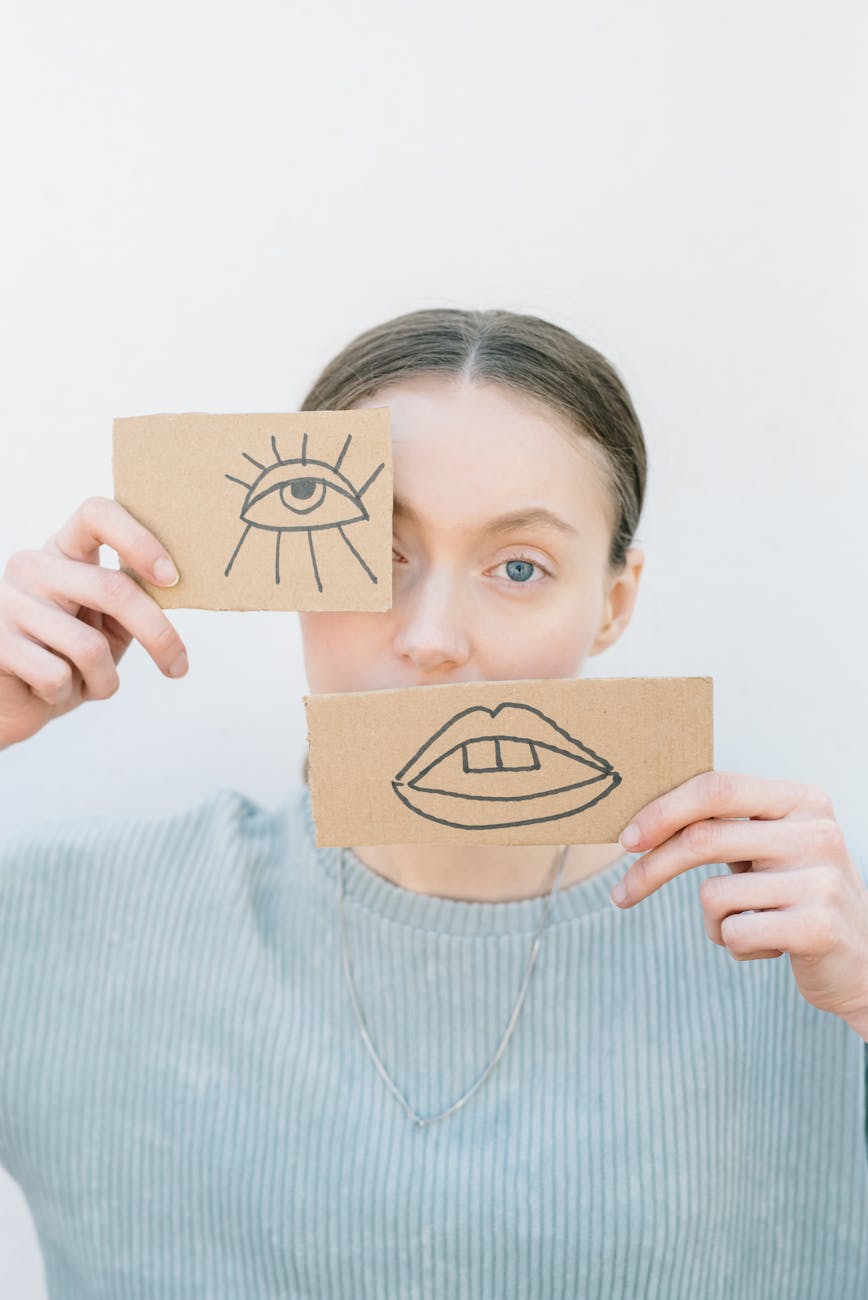
As we learn more about autism, we are discovering that one of the big reasons that autistic girls are not identified (either until adulthood or at all) is that we tend to be able to mask more “effectively”. Meaning, we often blend in socially – at least superficially – with our neurotypical peers.
This does not mean that we are any “less autistic” than autistic boys and men. In fact, many autistic women also experience mental illness and burnout, which may be linked to pressures and traumas related to living undiagnosed. A quote I found helpful is “Just because I carry it well, doesn’t mean it isn’t heavy”.
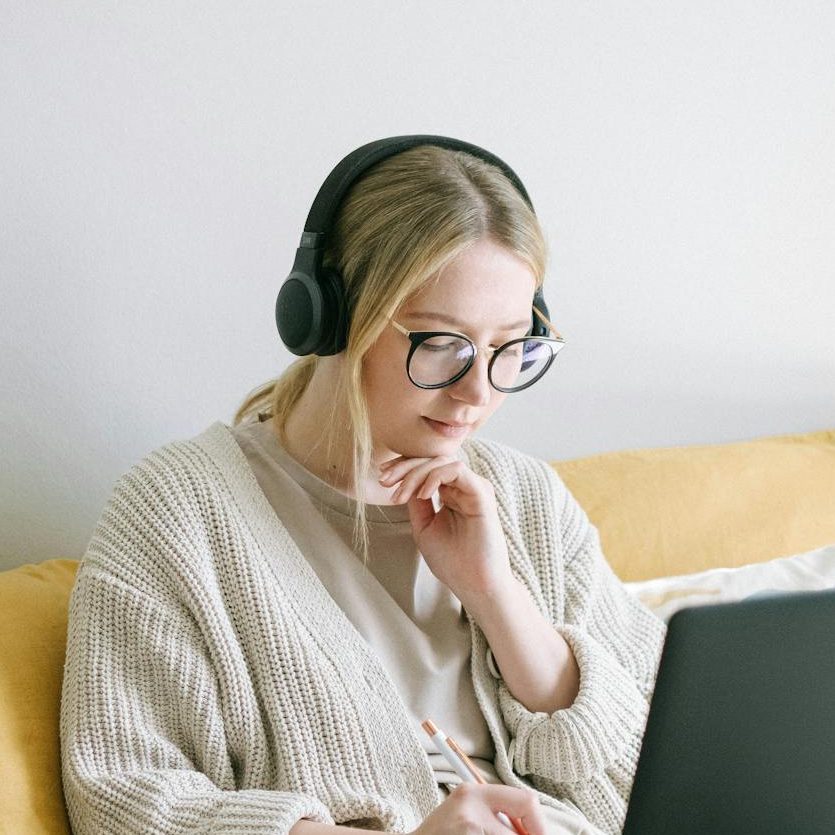
I have learnt about coping strategies and alternatives that can help me break through barriers. Noise-cancelling headphones to help me calm my sensory overwhelm. Fidget tools to facilitate healthy stimming and emotional regulation. Therapy to process and unlearn the self-criticism and internalised ableism that lives in my brain.
I also learnt about my strengths. There are things I’m great at, not *in spite of* being autistic, but *because* I’m autistic. My pattern recognition skills are top-notch. I’m super organised and love creating efficient systems and routines. I’m passionate about challenging injustices and creating inclusive, accessible environments.
I am in the unfortunately low percentage of autistic people in employment right now. At [my workplace], I feel safe to be my authentic, neurodivergent self. I can share my gifts and be open about barriers I face. As a late-diagnosed autistic woman, unmasking is an ongoing process. But, knowing that I work in a space where differences are valued, has given me the opportunity to grow in confidence and contribute in ways I would previously have thought impossible.
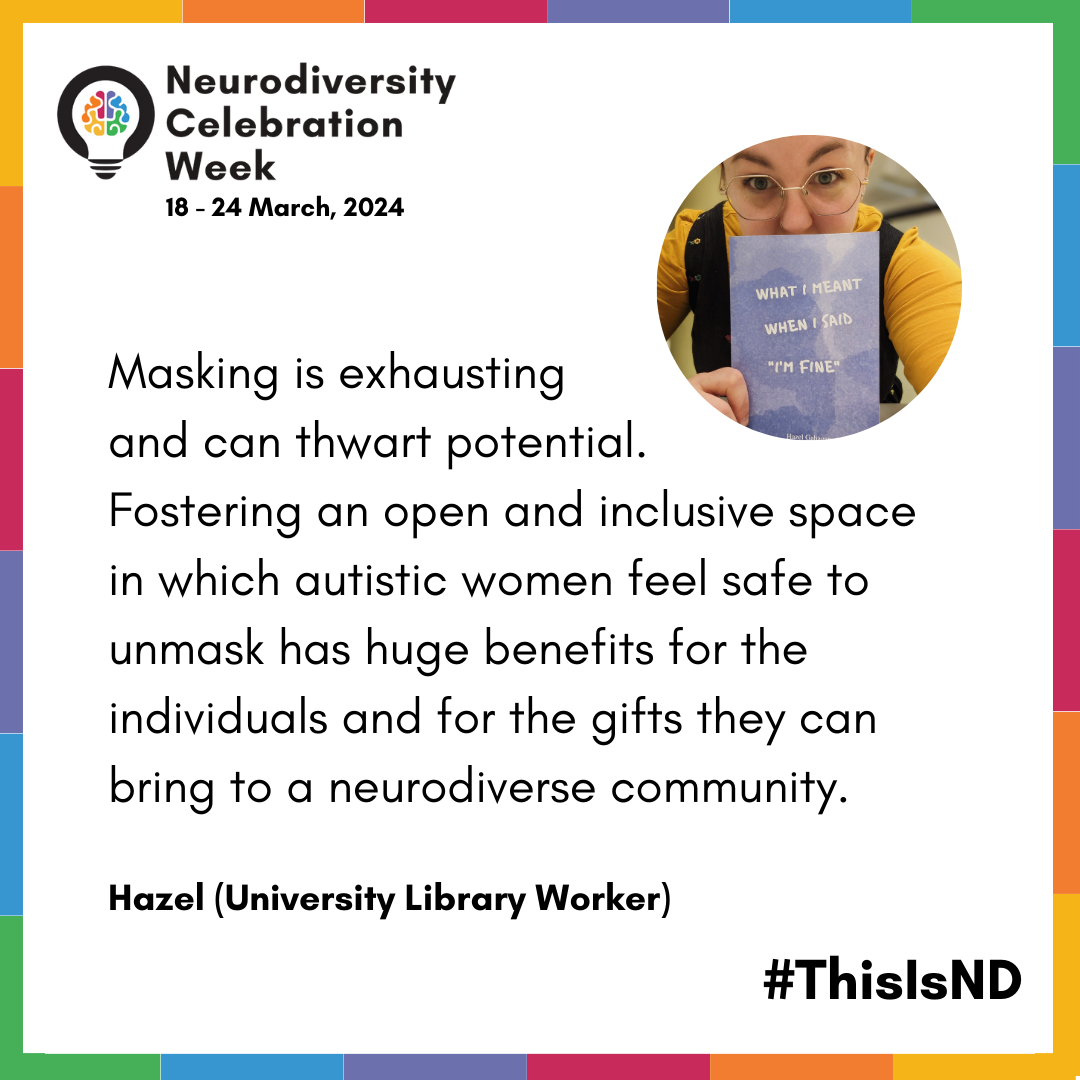
If there is one thing you take away from my story, I hope it’s this: There will be autistic or otherwise neurodivergent women around you who are masking. Masking is exhausting and can thwart their potential. Fostering an open and inclusive space in which autistic women feel safe to unmask has huge benefits for the individuals and for the gifts they can bring to a neurodiverse community.
Oh hey, did you know I wrote a book?
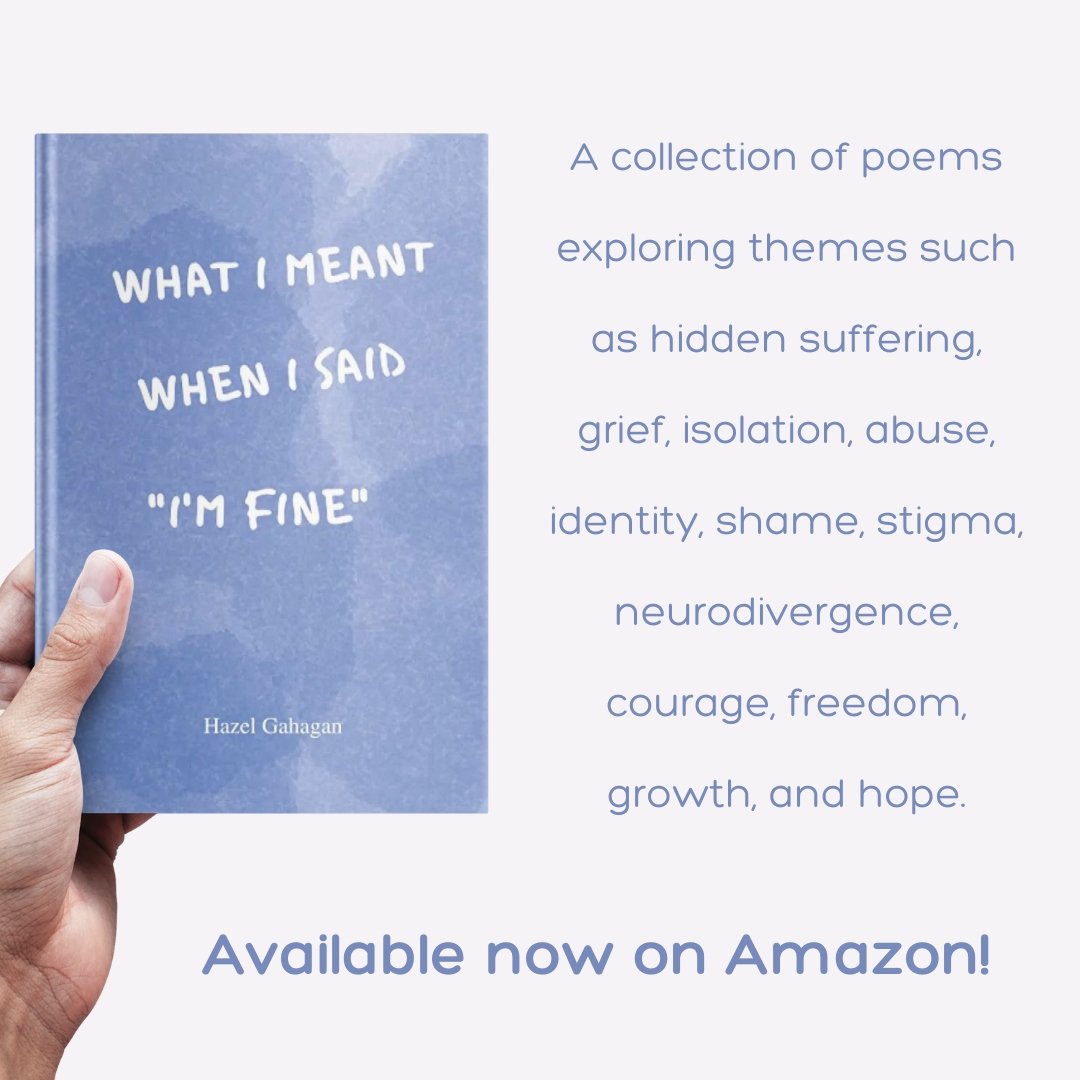
Click here to grab a copy of my book, What I Meant When I Said I’m Fine.
If you like my blog and/or find it useful, please consider donating to help me cover the costs of maintaining it. You can shout me a coffee on Ko-fi, or drop a tip in my PayPal. You can also click here to see more of my recommended products and help to support this blog with your purchases.

 wallflowerhaze