
No matter how smart we are, there is always something new to learn.
Lifelong learning allows us to develop our understanding and to see things from different perspectives.
So what sort of hobbies can we pick up that will help us to learn more?

1. Reading
Of course, reading is an obvious one. Whether it’s fiction, non-fiction, poetry, or whatever genre to which you feel drawn, it’s all contributing to giving you new ideas, new perspectives, new understanding. There are now many ways to access books, including buying new or secondhand books in shops or online, accessing an eBook or audiobook subscription service, visiting your local library or community book-swap shelf, or sharing and swapping books with friends. If you wanted to take your learning one step further, you could start a book club and have discussions with others about what you have read and what you have taken away from your reading.

2. Taking online courses
Online courses are now widely accessible, many of which are available for free on websites such as OpenLearn, Coursera, or Udemy (free options and paid options available). If you live in England, you may also be eligible to access a free accredited Level 2 course via The Skills Network. Furthermore, many universities are now offering online distance-learning options, where you study 100% off-campus and communicate with your tutors online. Whether you choose to complete a recognised qualification or take part in an informal course, it’s all about taking in and considering new information and expanding your mind.

3. Listening to podcasts
Podcasts are a useful and entertaining way to absorb new information. Podcasts often include an element of discussion or debate to offer new or differing perspectives on various topics. Of course, absolutely anyone can create a podcast, so beware of potential biases or sweeping statements based on flimsy evidence. Podcasts can be fun and interesting, but make sure you apply critical thinking skills when considering their opinions.

4. Watching documentaries
If you’re interested in learning more about a particular topic, but you’re not looking for something as formal as a course or a book, watching a documentary is a good way to gain information without too much effort. Sit back, relax, and press play – there are easily millions of documentaries available for free on YouTube, or another good website for documentaries is Top Documentary Films. You can also find documentaries on Netflix, Amazon Prime, or just on regular TV. Again, as with podcasts, keep in mind that documentaries can be somewhat biased. However, even if they are biased, that doesn’t make them useless to watch. It can be interesting to consider where the bias comes from, or how this bias affects wider understanding.

5. Blogging/vlogging
This one is an interesting one because it’s more of an active process than the ideas I’ve suggested so far. Whilst there is the receptive element of doing research and making sure you are appropriately informed on a topic, there is the active element of considering the information and using it to create a blog post or a vlog to discuss the topic with your viewers. Producing a blog post or a vlog is a great way to express your opinions on subjects or to contribute information to a wider discussion.

6. Puzzles
Puzzles, such as crosswords or sudoku, are a fantastic way of keeping your mind active. Even spending just a few minutes doing a puzzle can help to exercise your brain. They’re also widely accessible, with puzzles appearing in newspapers, magazines, and of course, puzzle books, but they are also available online.

Of course, not all hobbies have to be conventionally “productive”, or with the aim of learning something new. It’s just as important to spend time on our relaxing, simply enjoyable, just-for-fun hobbies. But that’s not to say that learning can’t be fun, as I hope I’ve illustrated in this post!
What sort of knowledge-enhancing hobbies do you enjoy? Let me know in the comments.

If you like my blog and/or find it useful, please consider donating to help me cover the costs of maintaining it. You can shout me a coffee on Ko-fi, or drop a tip in my PayPal. You can also click here to see more of my recommended products and help to support this blog with your purchases.
Oh hey, did you know I wrote a book?
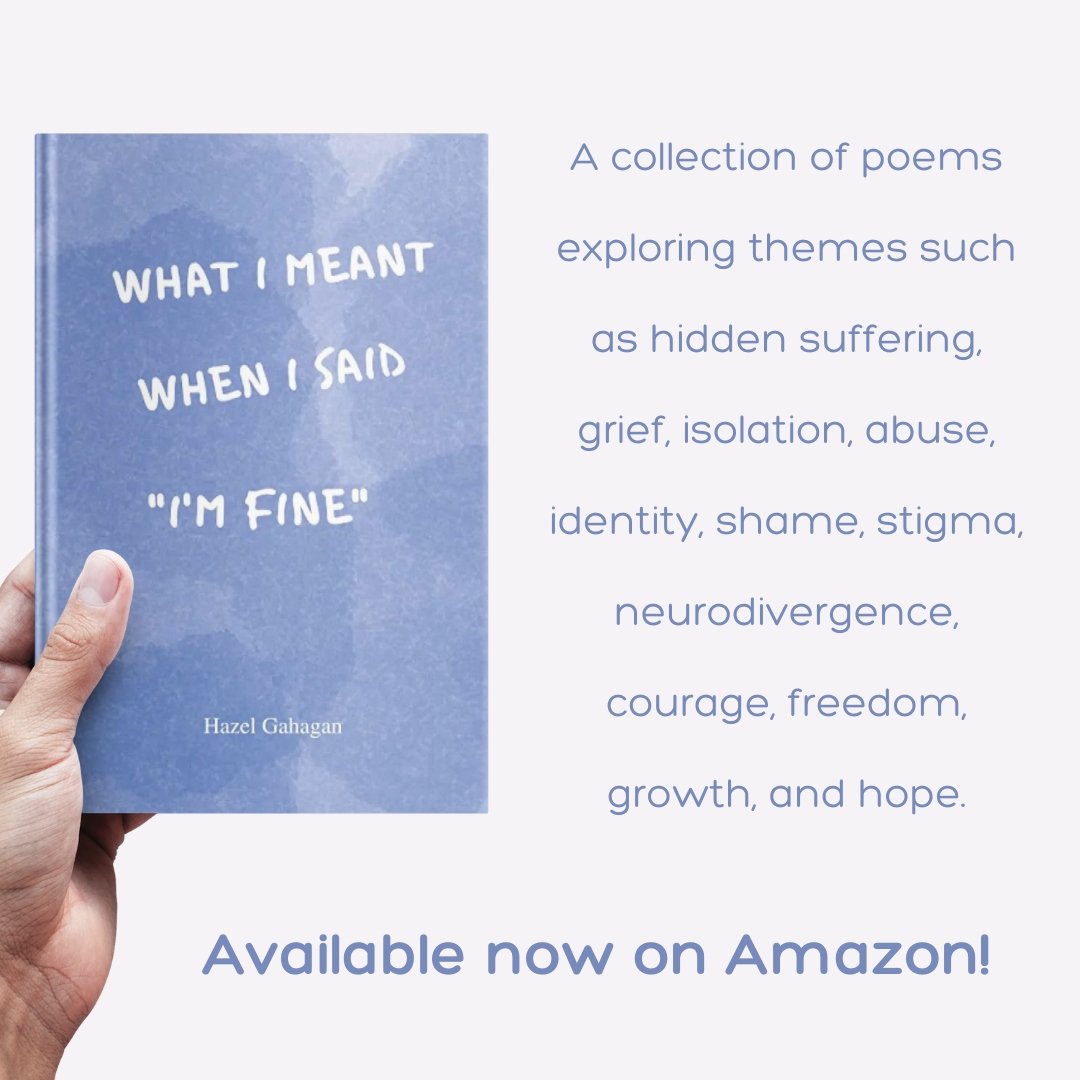
Click here to grab a copy of my book, What I Meant When I Said I’m Fine.

 wallflowerhaze
Podcast are my jam!
LikeLiked by 1 person
Do you have any recommendations? 🙂
LikeLiked by 1 person
I love It’s Happening by Snooki & Joey!
LikeLiked by 1 person
I’ve not heard of this one before, I’ll have to look it up! 🙂 Thanks for sharing.
LikeLiked by 1 person