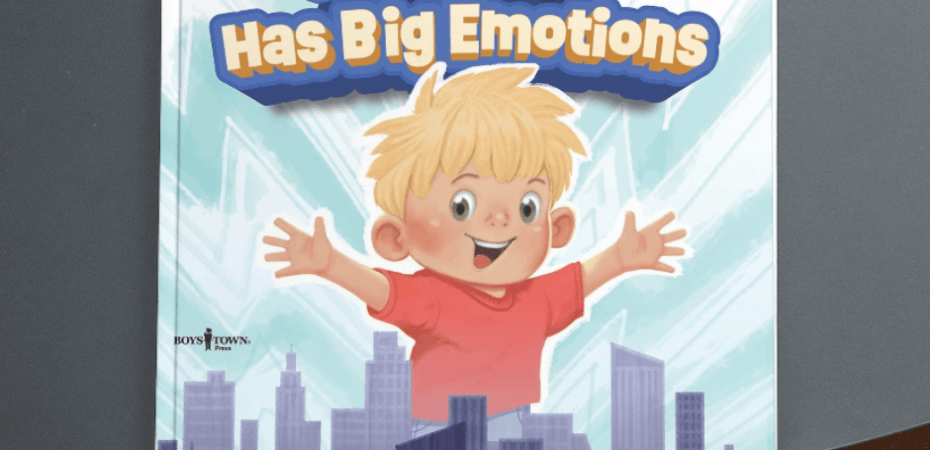
A children’s book about learning to manage big emotions that is actually helpful and not just “Stop being naughty!” AND it can work for a neurodivergent children? Heck yeah!
Please note: This post contains affiliate links. If you click and make a purchase, I may receive a small commission at no extra cost to you. For more information, please see my Disclaimer page.
I received a free advance reader copy (ARC) of this eBook from the publisher, Boys Town Press, via NetGalley, for review purposes.
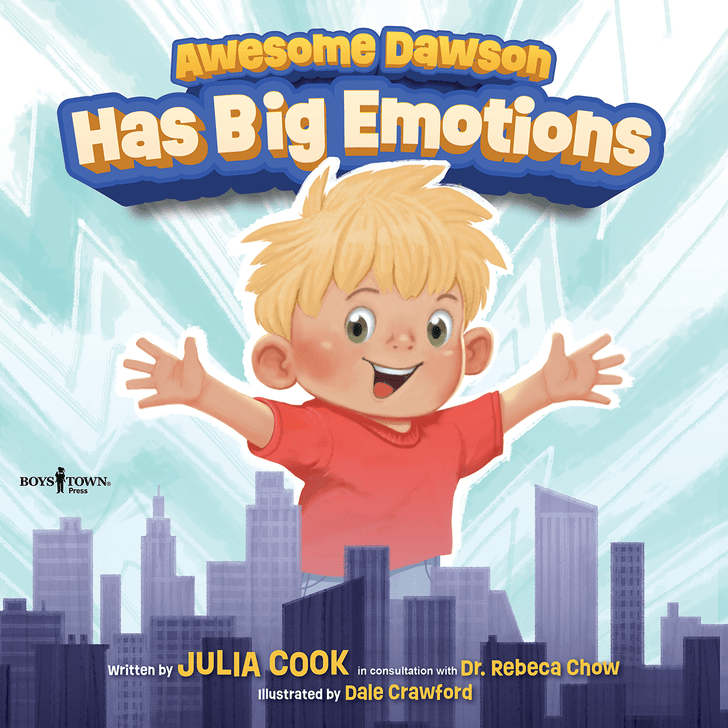
About the book
Dawson experiences lots of strong emotions – anger, sadness, excitement, and worry. Each one feels gigantic. Can he, with the help of a caring teacher, find a way to harness those emotions in a safe, healthy way? Or will Dawson’s biggest feelings be the boss of him?
Bestselling author Julia Cook and renowned play therapist Dr. Rebeca Chow team up in this colourful, empowering story about how to stop emotions from spinning out of control. A special page written by Dr. Chow, who is a clinical counsellor and registered play therapist, offers practical strategies parents and educators can use to help children manage their big emotions.
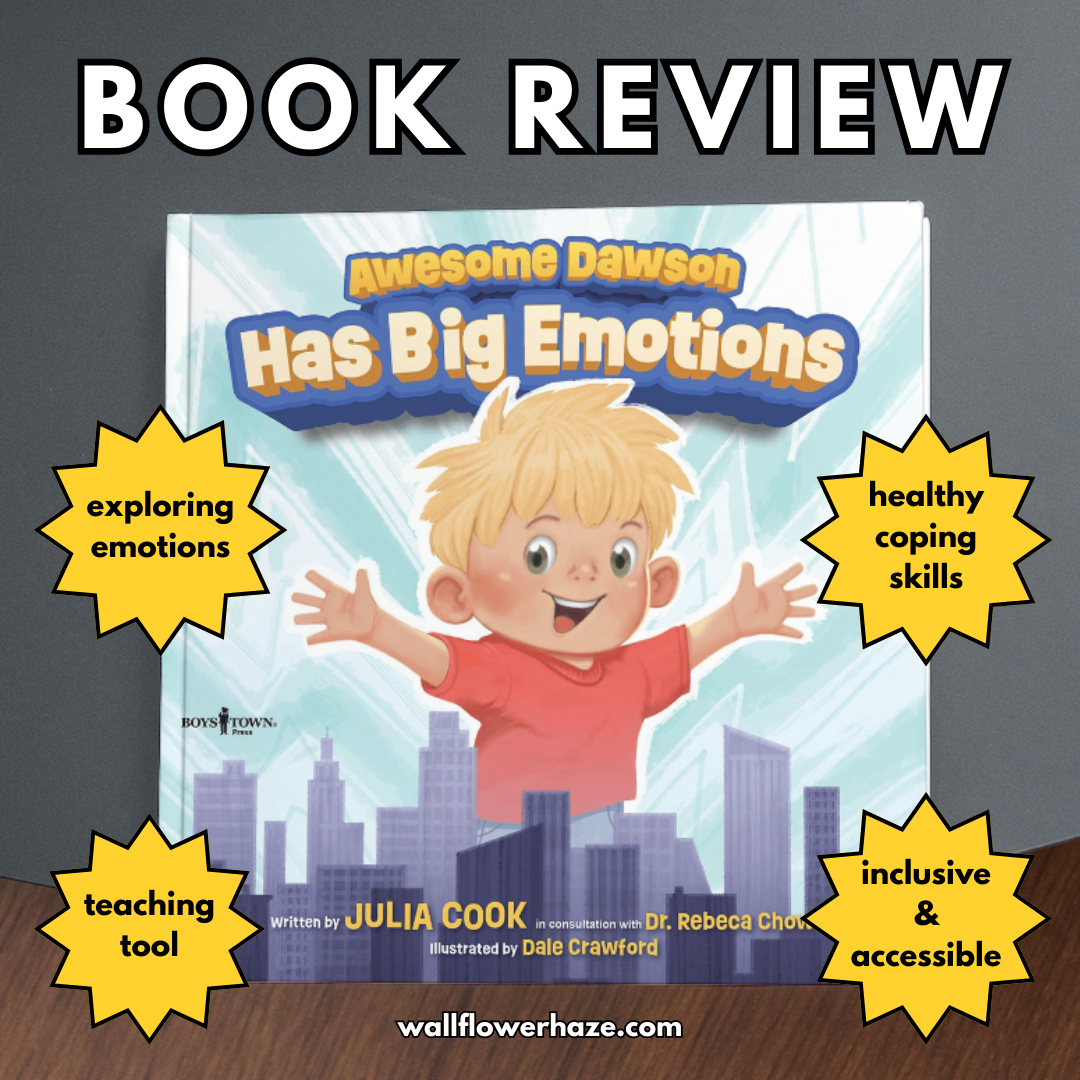
Awesome Dawson Has Big Emotions
The author
JULIA COOK, a former educator and school counsellor, has written many books for children and teachers, including the popular page-turners I Just Don’t Like the Sound of No!, Making Friends Is an Art!, and But It’s Not My Fault. Her activity guides for teachers offer classroom-ready fun to reinforce the life lessons shared in her storybooks. Julia has received the Association for Educational Publishers Distinguished Achievement Award, and her books have been honoured by The National Parenting Center, Mom’s Choice Awards, and Teachers’ Choice Awards.
The contributor

DR. REBECA CHOW practices in Kansas and Missouri as a Clinical Professional Counsellor, Registered Play Therapist, and Supervisor. Her unwavering dedication has propelled her onto the global stage, where she shares her insights at counselling and educational conferences. Find out more at drrebecachow.com.
The illustrator

DALE CRAWFORD is an internationally published and award-winning illustrator, fine art painter, and portrait artist. Dale has a BFA from the Ringling School of Art and Design and resides in Franklin, Tennessee.
My review
This is actually the second book in the Awesome Dawson series, but the format means that it works equally well as a standalone book. Having said that, although I haven’t read the first book in the series (Awesome Dawson, It’s Not Your Turn), if it’s anything like this one, then I’m sure I would recommend it.
Awesome Dawson Has Big Emotions is a useful teaching tool to help young children make sense of their emotions and learn how to process them in healthy ways. The story format makes the lesson feel natural and accessible to the target audience.
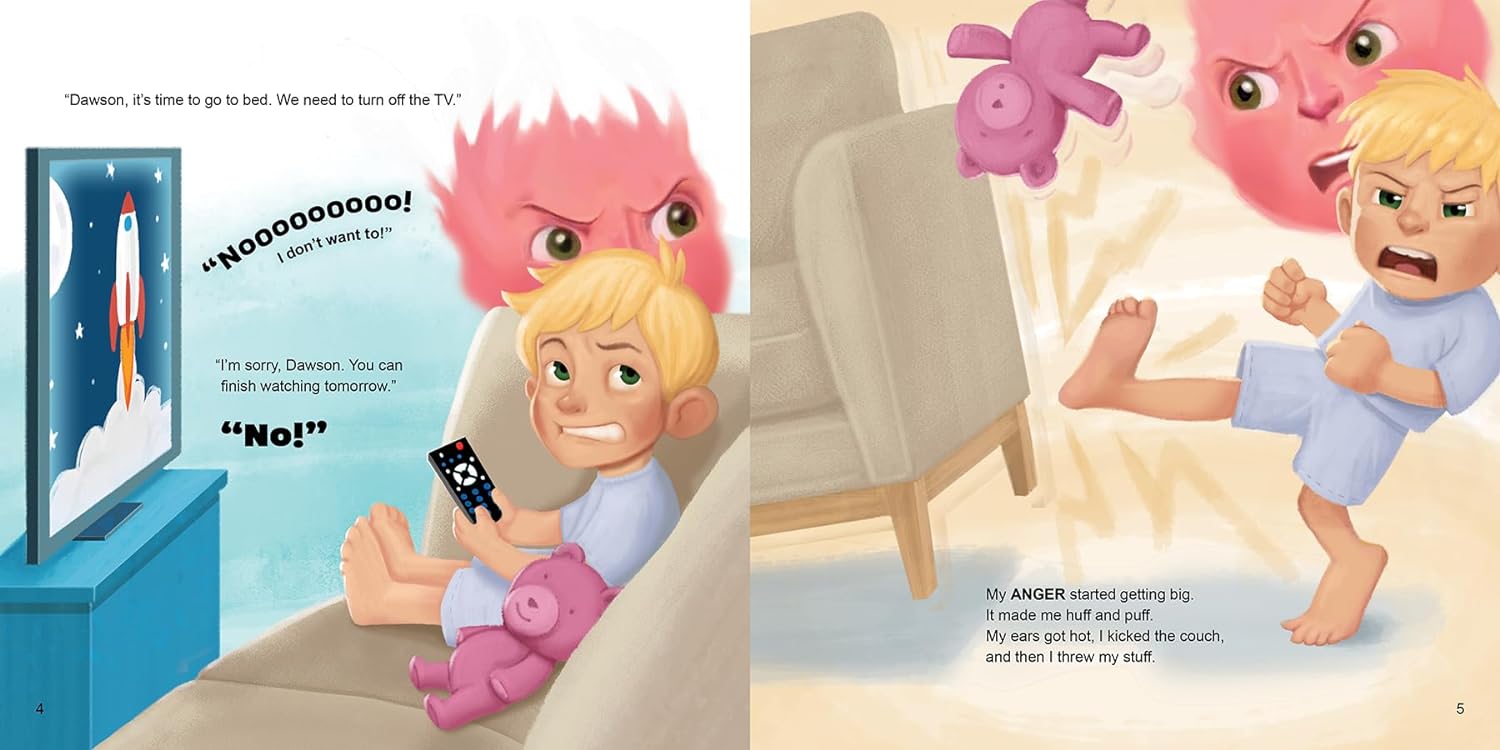
I love that the author mentions a range of emotions. I think children’s books on the topic of emotions and behaviours often focus heavily on emotions we might call “negative”, like anger, sadness, or worry, and whilst this book includes those emotions, the author also includes excitement. Although excitement is usually deemed a “positive” emotion, however, when intense and overwhelming, this too can lead to just as much discomfort or unhelpful behaviours as those typically “negative” emotions.
Please note: I don’t particularly like referring to any emotion as entirely positive or negative, but that’s a whole conversation in itself… so I’m using those terms loosely here!
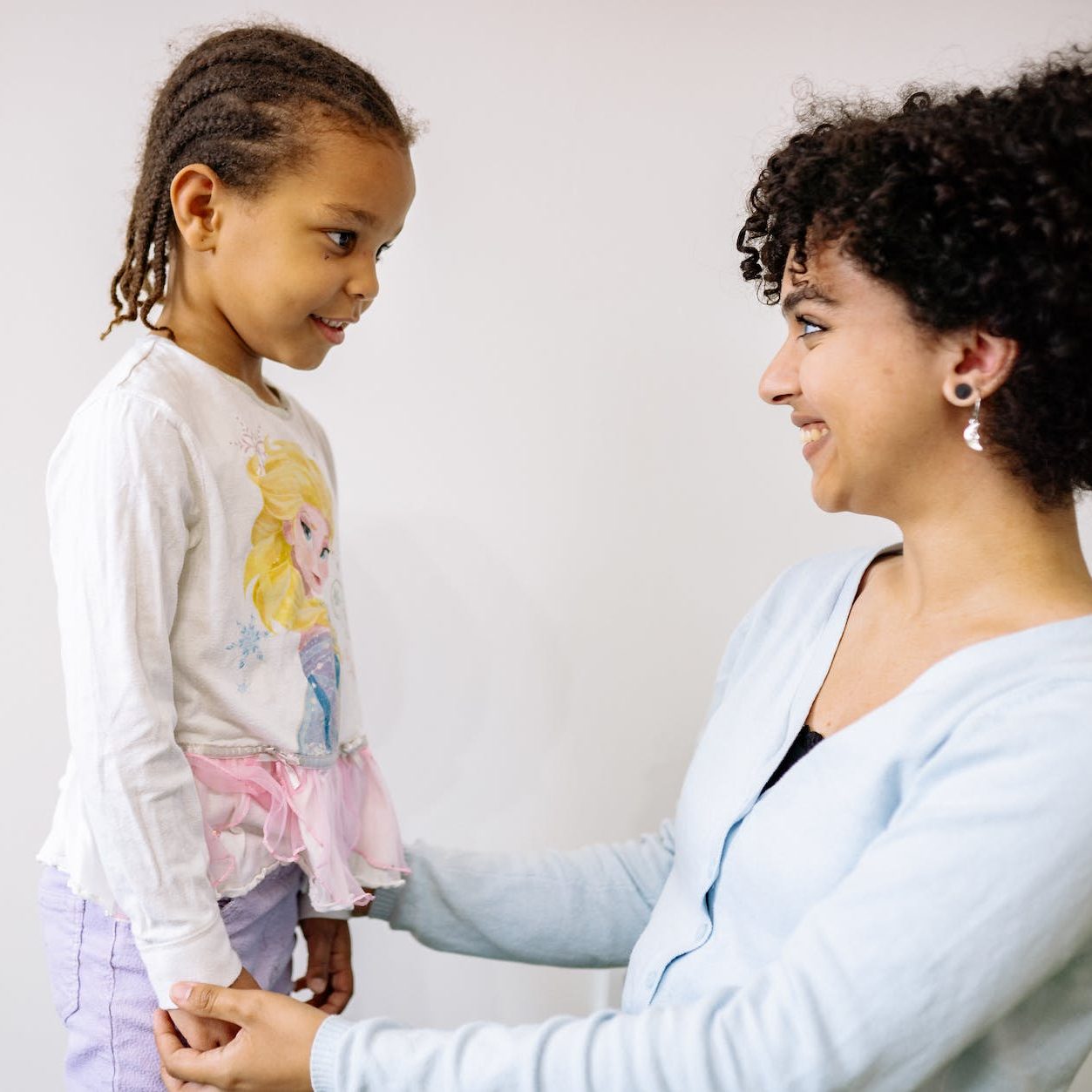
Something that I noted whilst reading is that Dawson is not admonished for having big emotions, or even for expressing those emotions. He is reassured that having big emotions is normal. He is, however, guided towards a safer method of expressing the big emotions. Dawson’s kind, patient teacher takes the time to talk him through an understanding of his emotions, helping him to understand why his current behaviours create the consequences they do, and providing him with the tools to feel more in control of his emotions and the way he responds to them.
The section at the end – aimed at parents, educators, and caregivers – is a fantastic idea. Written by Dr Rebeca Chow, it affirms the need for all parties (child and adult) to work together in learning how to cope with big emotions, and that this work is for the benefit of ourselves and for the people around us.

The author offers practical examples of healthy coping methods that adults can facilitate at low or no cost. You can buy a special “My Little Squishy” or use a similar squishy toy or stress ball already in the home/school. There are also free downloadable pages available to help “reinforce the lessons Dawson learns”.
I think this book is suitable for all children aged 4 and up. I also think it’s worth saying that as an autistic person who experiences emotional dysregulation and sensory overload, I found this format very accessible and applicable to something with which neurodivergent people (young and old) often struggle.
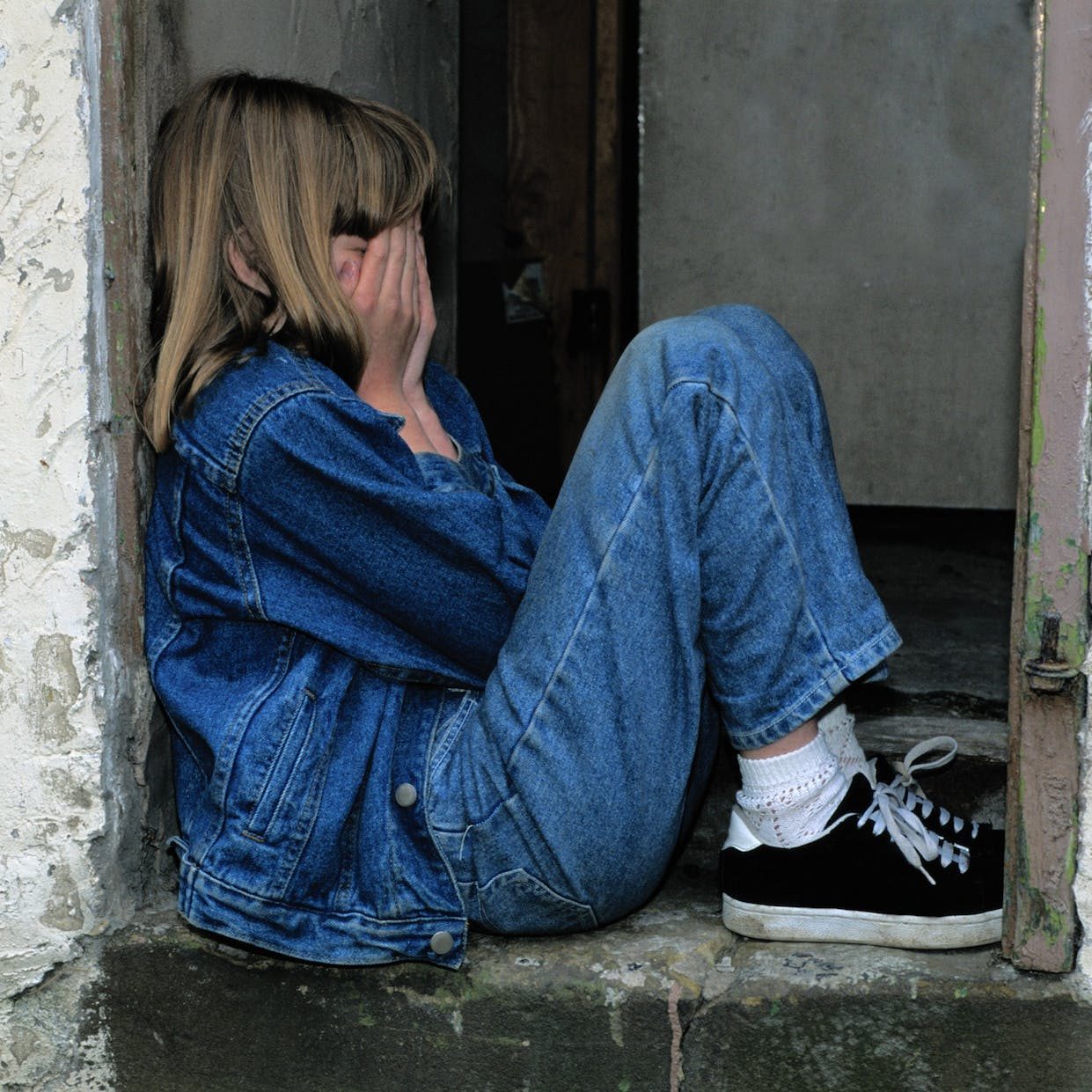
Although I only learnt about my own autism in 2022 (aged 32), I can look back now and see how much I have struggled with both ends of the emotional spectrum; “shutdowns” or dissociation, suppressing big emotions and maintain my “mask”; and “meltdowns” or explosive behaviours stemming from overwhelming emotions and sensations.
I know now that this is a common experience for autistic people and I think that’s why I found this book so great. Emotional dysregulation and challenging behaviour is often judged as some kind of character flaw. In reality, it’s usually a reaction to unbearable stimuli. What is often put down to “naughtiness” is often an attempt to express and release an overwhelming emotion.
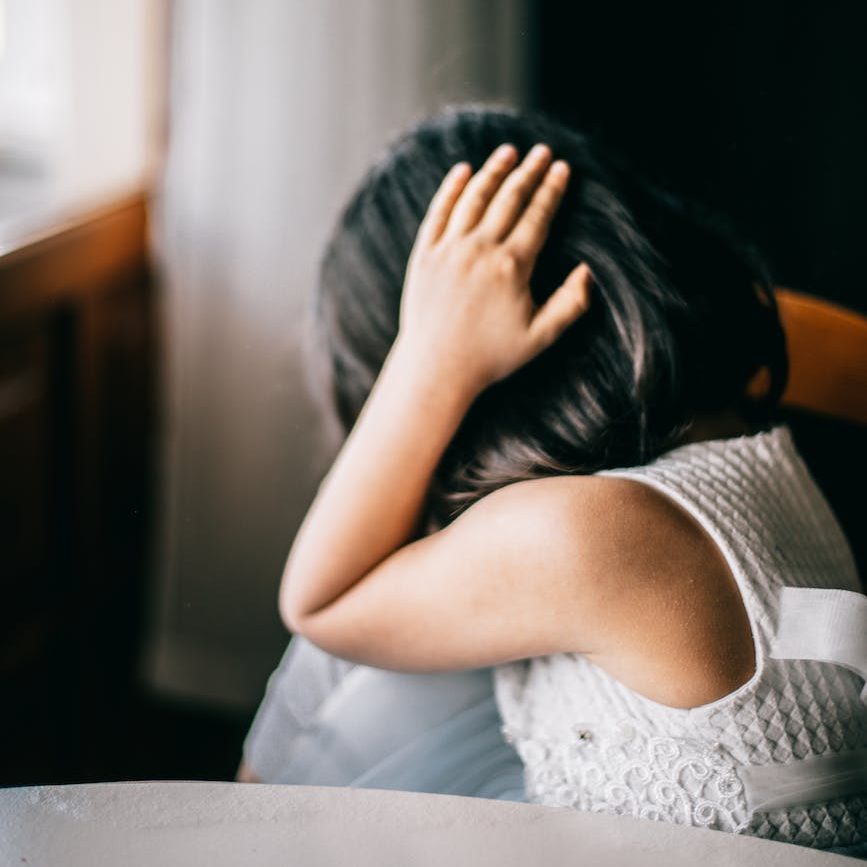
I’m still learning about autism and how it affects me. But I’m starting to allow myself to stim freely (my own versions of using the My Little Squishy!) and to view my emotions as an experience rather than a flaw in my personality. It’s doing wonders for my mental health, and my confidence is (slowly) growing.
I think this book does something very similar to that process, so I think there are a whole bunch of neurodivergent kids who could benefit from having their grown-ups read this with them.

Of course, this book cannot fully eliminate the reality that some neurodivergent people will continue to experience meltdowns throughout their life. The methods in this book are not some kind of miracle trick that magically makes any child 100% in control of their emotions. More importantly, meltdowns are much more complex than tantrums or fits of temper.
I’m not saying this short book covers the full scope of the support needs that every neurodivergent child has regarding emotions and behaviours. I am saying that as an autistic person, I believe this book could be useful for many neurodivergent children and their grown-ups.
In conclusion, I would definitely recommend this book to all parents, caregivers, educators who live, work, or have contact with young children.
Goodreads rating: ★★★★★
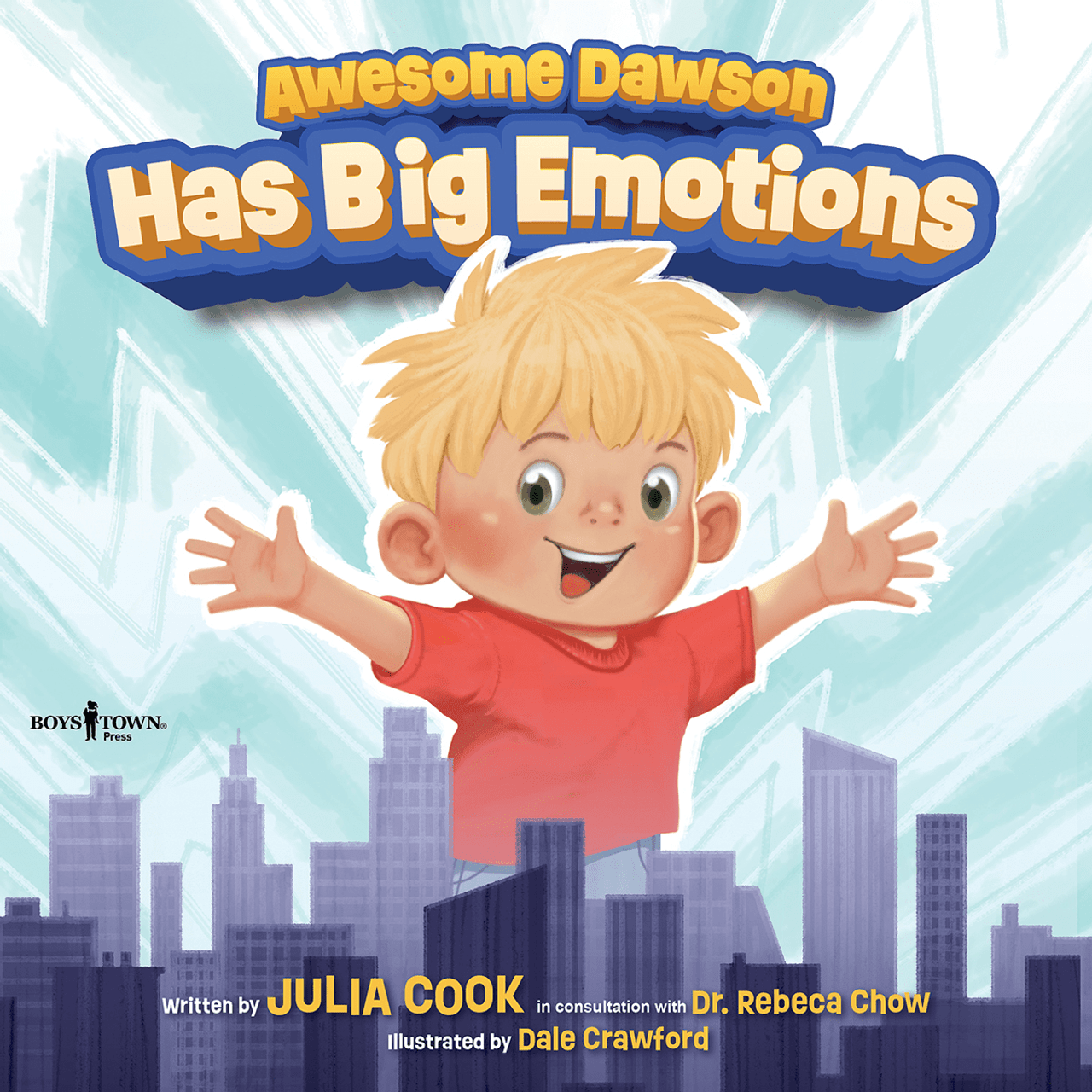
Awesome Dawson Has Big Emotions is due to be published by Boys Town Press on 27th February 2024. Pre-order your copy here!
Over to you…
If you’re a neurodivergent adult: What helps you to regulate your emotions? Did you have anyone in your life as a child who helped you? If you’re late-discovered (meaning, identified as neurodivergent in adulthood, like me), in hindsight, what kind of support do you believe could have helped you as a child?
If you have a neurodivergent child in your life: What have you found useful when trying to support them through big emotions? Do you have any questions for neurodivergent adults on this topic?
And to all readers: If you have any thoughts you’d like to share, I’d love to hear from you in the comments below!
If you like my blog and/or find it useful, please consider donating to help me cover the costs of maintaining it. You can shout me a coffee on Ko-fi, or drop a tip in my PayPal. You can also click here to see more of my recommended products and help to support this blog with your purchases.
Oh hey, did you know I wrote a book?
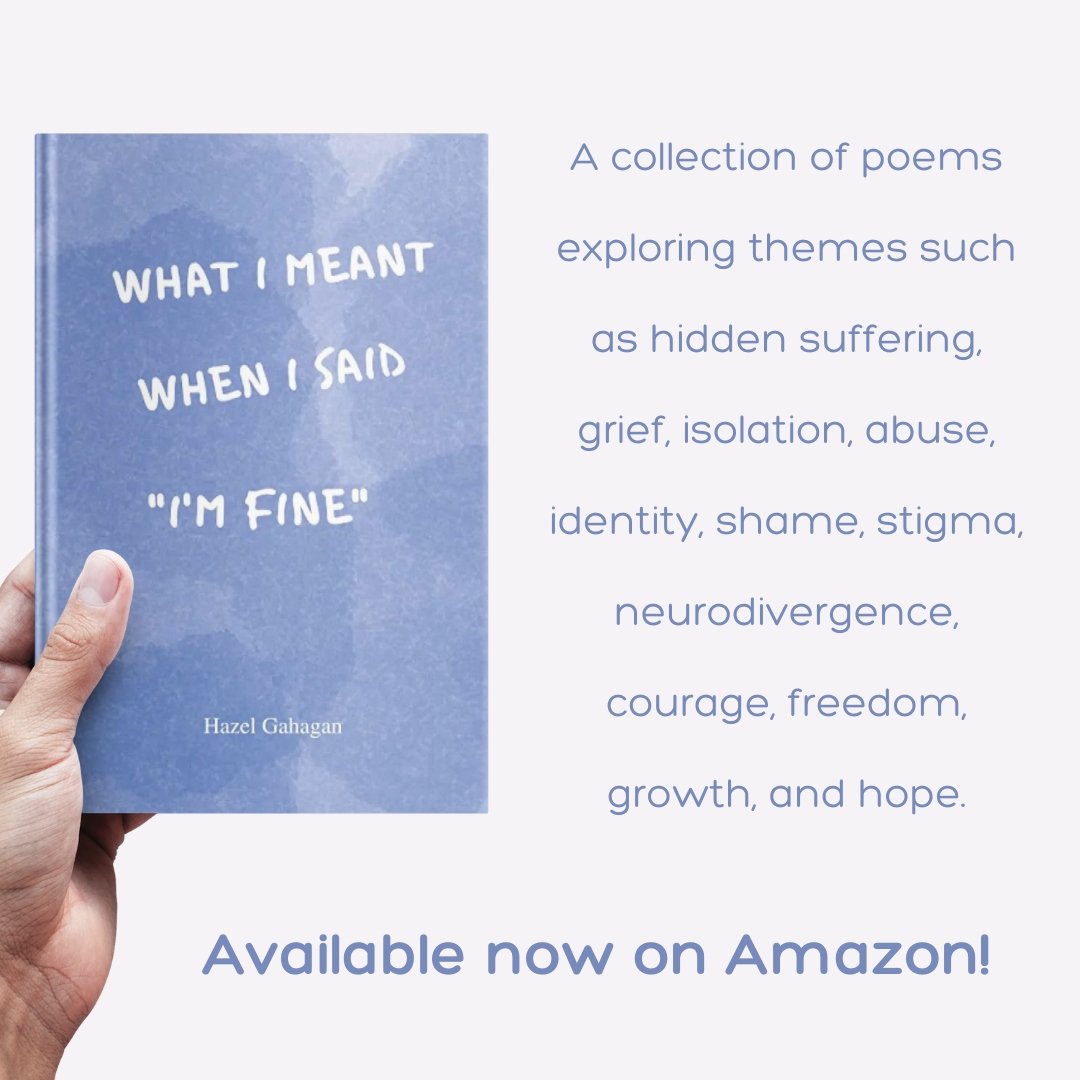
Click here to grab a copy of my book, What I Meant When I Said I’m Fine.

 wallflowerhaze