From “lost girl” to Neurodiversity Champion – a journey from depression to discovery, from diagnosis to self-determination, and from dependency to making a difference.
Please note: This post contains affiliate links. If you click and make a purchase, I may receive a small commission at no extra cost to you. For more information, please see my Disclaimer page.
A few months ago, the university where I work started an initiative where 15 members of staff were trained as Neurodiversity Champions. I am fortunate enough to be part of this initiative, and as part of our Disability History Month campaign, I wrote an article for our organisation’s newsletter, called “Why I Became a Neurodiversity Champion”.
I got some amazing feedback from my colleagues across the university, particularly from those who resonated with my story, so I’m sharing this article here for several reasons.
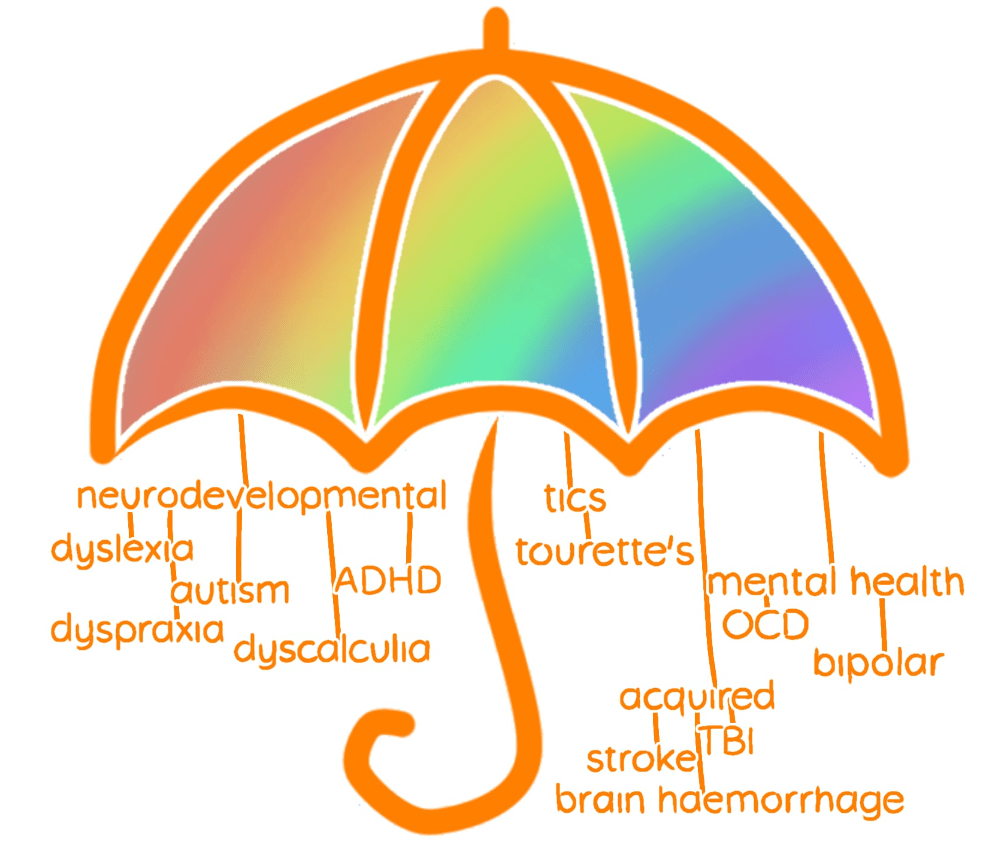
Source
Firstly, I hope my journey helps to encourage other neurodivergent people in employment (or wishing to enter employment) to recognise their own value and understand that they have so much to give in terms of their skills, talents, and unique perspectives.
Secondly, if you have a neurodivergent loved one who is struggling to enter (or remain in) employment, to take part in meaningful activities in life, or to see a light at the end of the tunnel like I did for so long, I hope you will share my story with them, to offer a glimpse into the dramatic turnaround that can happen when we finally understand, embrace, and unashamedly advocate for our neurodivergent minds.
And lastly, I hope it inspires other organisations to create initiatives like the Neurodiversity Champions in their own settings. I’ll provide more information on how to do this at the end of this article.
I was a month shy of my 33rd birthday when I found out I’m autistic; a strange early birthday present, though one of the best I’ve ever received. Before this, I had been misdiagnosed with various mental illnesses and I was struggling immensely with life in general. Receiving my diagnosis came with feelings of grief and frustration for my younger self, who experienced so much pain as a result of being one of the many “lost girls” who went undiagnosed and without support. However, it also came with feelings of relief, validation, and self-compassion.
Since then, my life has changed to become unrecognisable in all the best ways. With a new understanding of how my brain works, what my barriers are, and how I can tackle them, I applied for a job as a Library Shelving Associate at the university. I went into the interview being entirely open about my experience as a late-diagnosed autistic individual, with new-found confidence and hope, and I began my journey with the university in January 2024. I went from strength to strength, surrounded by supportive colleagues and taking on new and exciting challenges, and I’ve since been promoted to User Experience Assistant. I also had the opportunity to be part of a mentoring team for a supported internship, during which I could utilise my lived experience to help a neurodivergent intern develop their skills and confidence in the workplace. Everything had come full-circle and I was able to support others in the ways I wish I had been supported in the past.

Some of you may have seen my previous article, where I wrote about my experience as a late-diagnosed autistic adult, the effects of late-diagnosis in women and girls, and the benefits of neuroinclusion. From this, I received an overwhelming amount of feedback, with colleagues across the university identifying with my story, either themselves or on behalf of a loved one. Neurodivergence and neurodiversity are intrinsically woven into the daily lives of every person in this organisation, whether we know it or not, and whether we speak openly about it or not.
When the opportunity to become a Neurodiversity Champion arose, I jumped at the chance. Having connected with so many neurodivergent colleagues, or colleagues with neurodivergent loved ones, I knew that my lived experience could be used to support the openly and invisibly neurodivergent individuals at the university. Using my voice to highlight the barriers and strengths of neurodivergent people, and advocating for neuroinclusion, accessibility, and a sense of belonging in a neurodiverse community, brings me great joy. Having spent so many years feeling broken, excluded, and hopeless, and knowing that I can now help others not feel like that – how could I not step forward?
As a Neurodiversity Champion, I aim to represent and support my neurodivergent colleagues, being a visible example of the benefits of neurodiversity, and making myself available to support anyone who just needs to know that they are not alone and they belong here.

If you are interested in becoming a Neurodiversity Champion, I’d recommend taking a look at this training programme by Do-IT Solutions (founded by Professor Amanda Kirby MBBS MRCGP PhD).
I’m not being sponsored to promote this, it’s just the programme that our organisation used to train our Neurodiversity Champions, so I can vouch for its benefits. I’m sure there are other programmes available, but this is the one I completed.
If you would like to share any ideas or suggestions for resources, events, training, or campaigns that you think would be beneficial for our Neurodiversity Champions to promote, please feel free to let me know in the comments.
I’d also love to hear from any other Neurodiversity Champions – new or established – about what you’re currently doing, planning to do, or any barriers that you’ve encountered and/or overcome with your projects.
Oh hey, did you know I wrote a book?
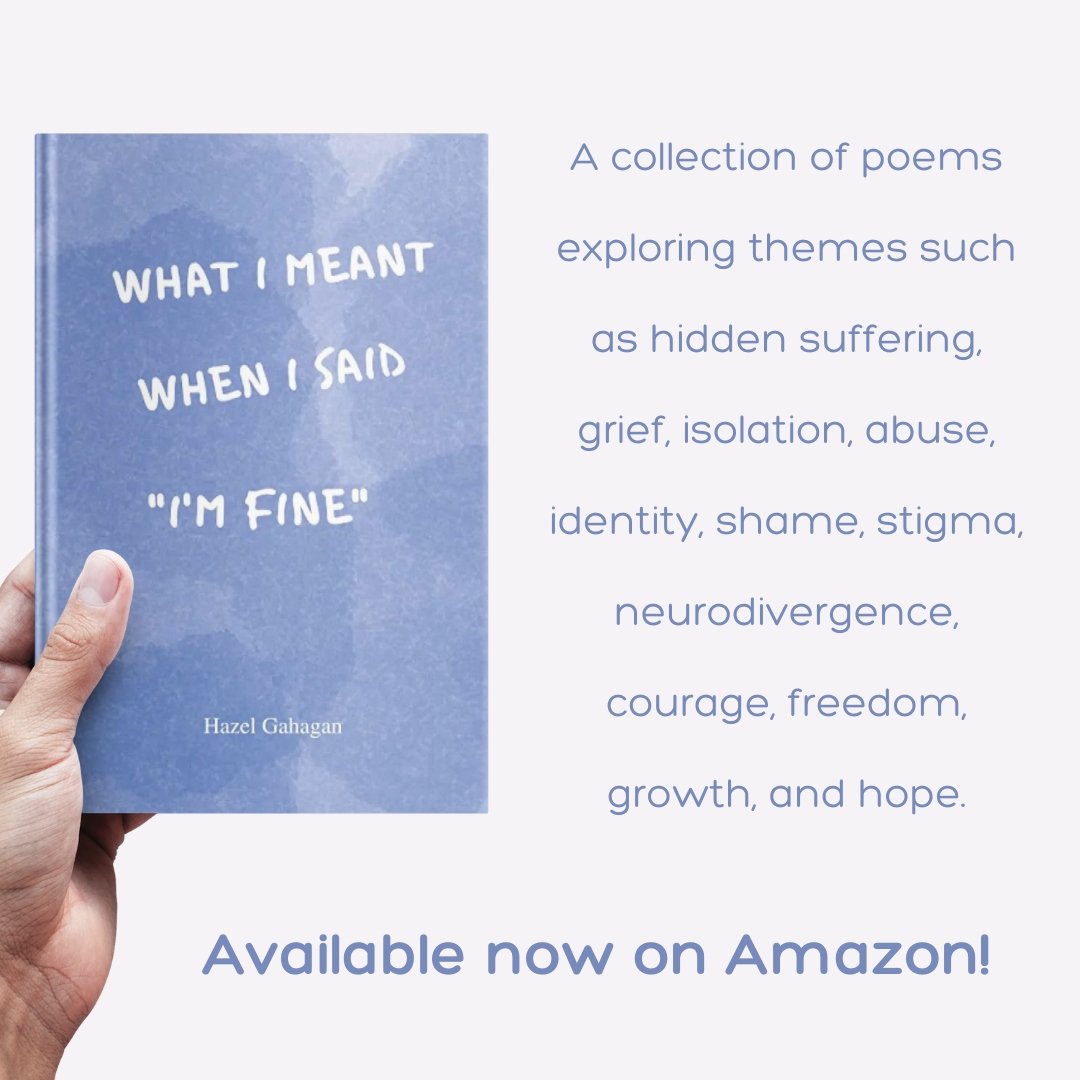
Click here to grab a copy of my book, What I Meant When I Said I’m Fine.
If you like my blog and/or find it useful, please consider donating to help me cover the costs of maintaining it. You can shout me a coffee on Ko-fi, or drop a tip in my PayPal. You can also click here to see more of my recommended products and help to support this blog with your purchases.

 wallflowerhaze
🥰You are inspiring many!
Keep going! 😘
LikeLiked by 1 person
[…] you’re also on a journey of understanding your neurodivergent self, I’d love to hear your experiences in the comments below. ♾️ 🌈 […]
LikeLike